Aliʻi Atlas
School of the Aliʻi · Kula Na Aliʻi
Hale Kapu Moʻolelo a Aliʻi Ana
Aliʻi Atlas
House Kamehameha · House Kalākaua · High Chiefs · Sacred Chiefesses
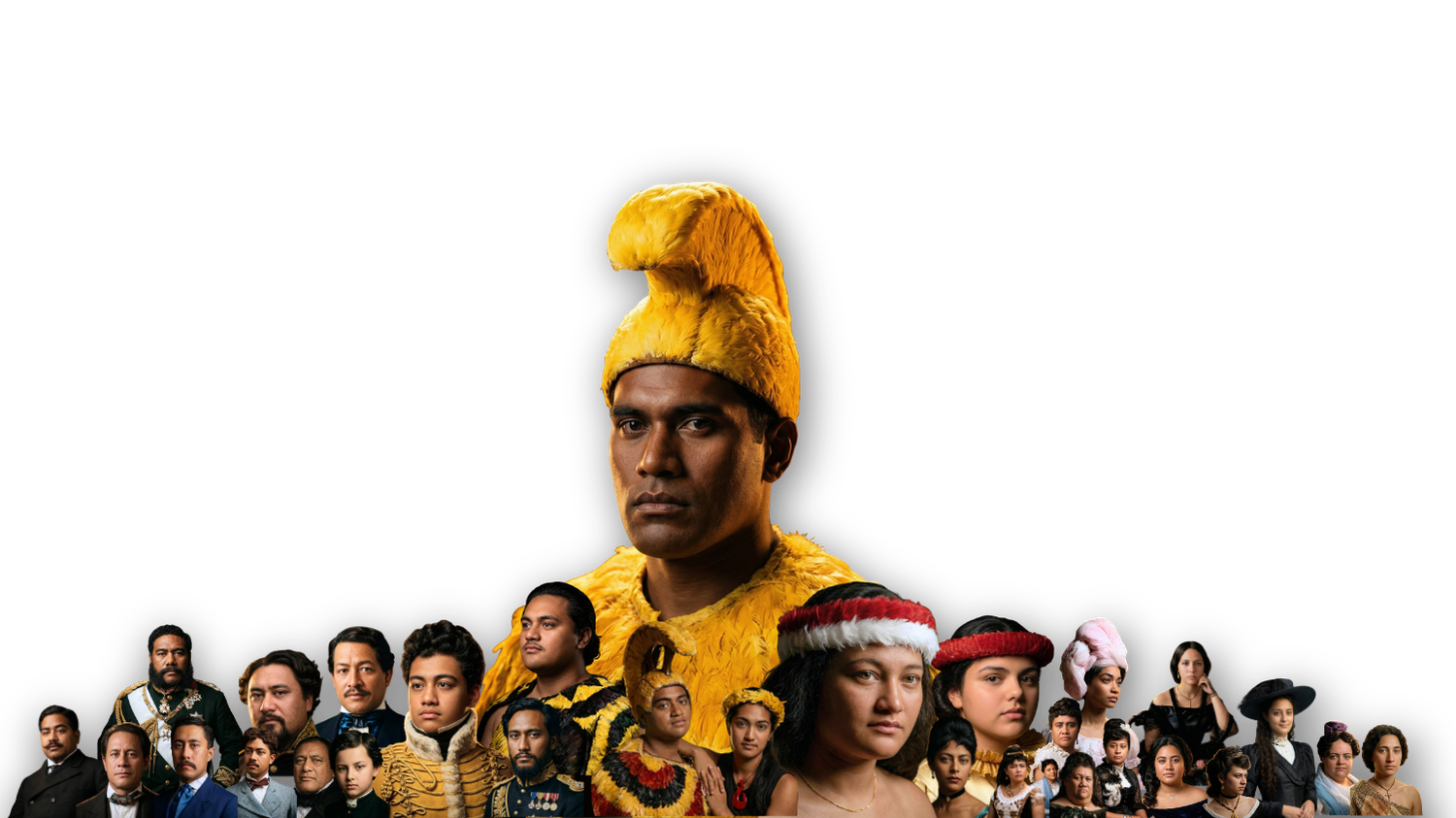
The complete royal atlas of the Hawaiian Kingdom — every king, queen, prince, princess, and high chief from House Kamehameha through House Kalākaua. 51 entries. Each record contains a full educational biography researched from historical records, oral traditions, and scholarly sources. This is our history, told on our own terms.
Aliʻi Documented
51 of 51 entries
01
EARLY KINGDOMKamehameha I
King of the Hawaiian Kingdom
c. 1736 – 1819
Kamehameha I, also known as Kamehameha the Great, was the visionary leader who unified the Hawaiian Islands into a single kingdom by 1810. Through a combination of military strategy, diplomacy, and wise governance, he established a lasting legacy of peace and law, notably with the Kānāwai Māmalahoe. He is remembered as the founder of the Hawaiian Kingdom and a pivotal figure in Hawaiian history.
Read Biography →
02
EARLY KINGDOMKamehameha II
King of the Hawaiian Kingdom
1797 – 1824
Kamehameha II, born Liholiho, reigned as the second King of the Hawaiian Kingdom from 1819 to 1824. His brief but transformative rule is primarily remembered for the abolition of the ancient *kapu* system, a significant cultural and religious upheaval. He also undertook a diplomatic voyage to Great Britain, where he tragically died of measles in London, marking a pivotal moment in Hawaii's engagement with Western powers.
Read Biography →
03
KINGDOM ERAKamehameha III
King of the Hawaiian Kingdom
1814 – 1854
Kamehameha III, born Kauikeaouli, was the third and longest-reigning monarch of the Hawaiian Kingdom, ruling from 1825 to 1854. His transformative reign saw Hawaii evolve from an absolute to a constitutional monarchy, marked by significant legal reforms and the assertion of Hawaiian sovereignty. He is remembered for balancing modernization with the preservation of Hawaiian culture.
Read Biography →
04
KINGDOM ERAKamehameha IV
Fourth king of the Hawaiian Kingdom
1834 – 1863
Kamehameha IV, also known as Alexander Liholiho, reigned as the fourth monarch of the Hawaiian Kingdom from 1855 to 1863. He was dedicated to preserving Hawaiian sovereignty and culture, notably founding The Queen's Medical Center and translating the Book of Common Prayer into Hawaiian. His reign was marked by efforts to balance foreign influence and improve the welfare of his people.
Read Biography →
05
KINGDOM ERAKamehameha V
King of the Hawaiian Kingdom
1830 – 1872
Kamehameha V, born Lot Kapuāiwa, reigned as the fifth monarch of the Kingdom of Hawaiʻi from 1863 to 1872. Known for his motto "Onipaʻa" (immovable, firm, steadfast), he worked diligently for his people and kingdom, striving to strengthen the monarchy and revive traditional Hawaiian practices.
Read Biography →
06
KINGDOM ERAKing Lunalilo
King of the Hawaiian Kingdom
1835 – 1874
William Charles Lunalilo, born in 1835, was the sixth monarch of the Hawaiian Kingdom and the first to be elected by popular vote, earning him the title "The People's King." His brief reign focused on democratic reforms and his lasting legacy is the Lunalilo Home, a charitable trust for Native Hawaiians in need.
Read Biography →
07
KINGDOM ERADavid Laʻamea Kamanakapuʻu Māhinulani Nālaʻiaʻehuokalani Lumialani Kalākaua, King of the Hawaiian Kingdom
King of the Hawaiian Kingdom
1836 – 1891
King Kalākaua, known as 'The Merrie Monarch,' reigned over the Kingdom of Hawaiʻi from 1874 to 1891. He was a passionate advocate for Hawaiian culture, reviving traditions like hula and composing the national anthem. His reign saw both cultural resurgence and significant political challenges, including the imposition of the Bayonet Constitution.
Read Biography →
08
KINGDOM ERAQueen Liliʻuokalani
Last reigning monarch of the Hawaiian Kingdom
1838 – 1917
Queen Liliʻuokalani was the last sovereign monarch of the Hawaiian Kingdom, reigning from 1891 to 1893. She fought to restore the monarchy's power and the rights of her people, but was overthrown by American businessmen. A gifted composer, she authored "Aloha ʻOe" and dedicated her life to advocating for native Hawaiians.
Read Biography →
10
EARLY KINGDOMQueen Kaʻahumanu
Queen Consort, Kuhina Nui, and Queen Regent of the Hawaiian Kingdom
1768 – 1832
Queen Kaʻahumanu, born in 1768, was a pivotal figure in Hawaiian history. As the favorite wife of Kamehameha I and later Kuhina Nui, she wielded immense political power. She was instrumental in abolishing the kapu system and promoting Christianity, profoundly shaping the Hawaiian Kingdom's social and religious landscape.
Read Biography →
11
EARLY KINGDOMQueen Kalākua Kaheiheimālie
Queen Consort of the Hawaiian Kingdom, High Chiefess, Governor of Maui
c. 1778 – 1842
Queen Kalākua Kaheiheimālie, also known as Hoapili Wahine, was a high-ranking Hawaiian noble and queen consort of Kamehameha I. She was the mother of Queen Kamāmalu and Kuhina Nui Kīnaʻu, and grandmother to three future kings. She also served as Governor of Maui and was a founding member of the House of Nobles.
Read Biography →
12
EARLY KINGDOMPrincess Kalani Ahumanu i Kaliko o Iwi Kauhipua o Kīnaʻu
Kuhina Nui of Hawaii
c. 1805 – 1839
Princess Kalani Ahumanu i Kaliko o Iwi Kauhipua o Kīnaʻu (Kaʻahumanu II) was a powerful Kuhina Nui of the Hawaiian Kingdom, daughter of Kamehameha I. She served as regent for Kamehameha III and was instrumental in establishing Hawaiʻi's first penal code. Her children included future monarchs Kamehameha IV and V, solidifying her lasting impact on Hawaiian history.
Read Biography →
13
EARLY KINGDOMMiriam Auhea Kalani Kui Kawakiu o Kekāuluohi Kealiʻiuhiwaihanau o Kalani Makahonua Ahilapalapa Kai Wikapu o Kaleilei a Kalakua
Kuhina Nui of Hawaii, High Chiefess of the Kingdom
1794 – 1845
Miriam Auhea Kalani Kui Kawakiu o Kekāuluohi, also known as Kaʻahumanu III, was a powerful Kuhina Nui of the Hawaiian Kingdom. She co-signed the 1840 Constitution and was the mother of King Lunalilo, playing a pivotal role in the early constitutional monarchy.
Read Biography →
14
KINGDOM ERAKeoni Ana
Kuhina Nui of the Hawaiian Islands and Minister of Interior
1810 – 1857
Keoni Ana, also known as John Kalaipaihala Young II, was a significant political figure in the Hawaiian Kingdom. He served as Kuhina Nui and Minister of Interior, playing a crucial role in land reforms and governance. His life bridged Hawaiian royalty and foreign influence, leaving a lasting impact on the kingdom's development.
Read Biography →
15
KINGDOM ERANāhiʻenaʻena
Princess of the Hawaiian Kingdom
c. 1815 – 1837
Princess Nāhiʻenaʻena (c. 1815–1837) was a high-ranking Hawaiian princess, daughter of Kamehameha I and Queen Keōpūolani. Her life was marked by the profound cultural clash between traditional Hawaiian practices and the encroaching influence of Christian missionaries, making her a poignant symbol of this era's struggles.
Read Biography →
16
KINGDOM ERAPrincess Victoria Kamāmalu Kaʻahumanu IV
Kuhina Nui of Hawaii, Crown Princess of the Hawaiian Islands
1838 – 1866
Princess Victoria Kamāmalu Kaʻahumanu IV was a prominent Hawaiian royal, serving as Kuhina Nui and Crown Princess. Born in 1838, she played a crucial role in the Hawaiian Kingdom's governance, including proclaiming Kamehameha V as King. She founded the Kaʻahumanu Society and championed Hawaiian traditions. She died in 1866 at the age of 27.
Read Biography →
17
KINGDOM ERAPrincess Ruth Keʻelikōlani
High chiefess, Governor of the Island of Hawaiʻi
1826 – 1883
Princess Ruth Keʻelikōlani, also known as Ruth Luka Keanolani Kauanahoahoa Keʻelikōlani, was a powerful Hawaiian high chiefess and the last direct female descendant of Kamehameha I. She was a staunch defender of Hawaiian traditions, language, and land, serving as Governor of the Island of Hawaiʻi and becoming the largest landowner in the islands. Her legacy endures through the Kamehameha Schools, which she helped establish.
Read Biography →
18
KINGDOM ERABernice Pauahi Pākī Bishop
Aliʻi (Noble) of the Royal Family of the Kingdom of Hawaii, Philanthropist, Founder of Kamehameha Schools
1831 – 1884
Bernice Pauahi Bishop was a revered Aliʻi of the Hawaiian royal family and a visionary philanthropist. As the last direct descendant of the Kamehameha dynasty, she famously refused the throne, choosing instead to dedicate her vast estate to the education of Hawaiian children. Her legacy lives on through the Kamehameha Schools and the Bernice P. Bishop Museum, institutions she founded to preserve Hawaiian culture and empower future generations.
Read Biography →
19
KINGDOM ERAMiriam Auhea Kekāuluohi Crowningburg Kamai
High Chiefess (aliʻi)
c. 1839 – 1899
Miriam Auhea Kekāuluohi Crowningburg Kamai (c. 1839–1899) was a Hawaiian high chiefess and cousin to King Lunalilo. She served as kahu of the Lunalilo Mausoleum and witnessed the overthrow of the Hawaiian Kingdom. Her descendants continue to be guardians of royal burial sites, preserving Hawaiian heritage.
Read Biography →
20
KINGDOM ERAMoses Kekūāiwa
Prince of the Hawaiian Kingdom, Prospective Governor of Kauaʻi
1829 – 1848
Prince Moses Kekūāiwa (1829-1848) was a Hawaiian prince, grandson of Kamehameha I, and son of Princess Kīnaʻu and High Chief Kekūanaōʻa. He was educated at the Royal School but was expelled due to disciplinary issues. He died at the age of 19 during the 1848 measles epidemic, before assuming any major political role. His legacy is linked to the Kamehameha Schools through his landholdings.
Read Biography →
21
KINGDOM ERAHis Royal Highness Prince William Pitt Leleiohoku II
Prince of the Hawaiian Kingdom, Regent
1855 – 1877
Prince William Pitt Leleiohoku II (Kalahoʻolewa) was a Hawaiian prince and heir apparent to the throne, born in 1855. He served as Regent of the Kingdom of Hawaii during King Kalākaua's absence and was an exceptionally talented musician and composer. He is remembered for his significant contributions to Hawaiian music and culture, including his composition "Kāua I Ka Huahuaʻi".
Read Biography →
22
KINGDOM ERAPrince Albert Edward Kauikeaouli Kaleiopapa a Kamehameha, Crown Prince of Hawaii
Crown Prince of the Hawaiian Kingdom
1858 – 1862
Prince Albert Edward Kauikeaouli Kaleiopapa a Kamehameha was the only son of King Kamehameha IV and Queen Emma, born in 1858. As Crown Prince, he was the heir apparent to the Hawaiian throne and affectionately known as _Ka Haku O Hawaiʻi_. His untimely death at the age of four in 1862 profoundly impacted the royal family and the future of the Kamehameha Dynasty.
Read Biography →
23
KINGDOM ERAPrincess Abigail Maheha
Hawaiian aliʻi princess
1832 – 1861
Princess Abigail Maheha (1832–1861) was a Hawaiian chiefess born into high-ranking nobility. She attended the Chiefs' Children's School and was hānai to Princess Kekauʻōnohi. Her life was marked by personal challenges, including a notable divorce case, and her daughter Keanolani was traditionally believed to be the illegitimate child of King Kamehameha V. Her story provides insight into the complexities of royal succession and cultural shifts in the Hawaiian Kingdom.
Read Biography →
24
EARLY KINGDOMMiriam Kalākua Kaheiheimālie Hoapili-Wahine
High Chiefess, Queen Consort of Hawaiian Islands, Governor of Maui
c. 1778 – 1842
Miriam Kalākua Kaheiheimālie Hoapili-Wahine was a prominent High Chiefess and Queen Consort of the Hawaiian Kingdom. She was a mother to future queens and grandmother to three kings, playing a crucial role in the Kamehameha dynasty. She also served as Governor of Maui and was known for her cultural influence, including starting the muʻumuʻu trend.
Read Biography →
25
EARLY KINGDOMHigh Chiefess Kalola Pupuka-o-Honokawailani
High Chiefess of Maui
c. 1735 – 1790
High Chiefess Kalola Pupuka-o-Honokawailani was a prominent and sacred aliʻi of Maui, born around 1735. Her strategic marital alliances and powerful lineage were crucial in shaping the political landscape of the Hawaiian islands. She was the mother of King Kīwalaʻō and the grandmother of Queen Keōpūolani, making her a pivotal figure in the unification of the Hawaiian Kingdom. She died around 1790.
Read Biography →
26
KINGDOM ERAQueen Kapiʻolani
Queen consort of the Hawaiian Kingdom
1834 – 1899
Queen Kapiʻolani (December 31, 1834 – June 24, 1899) was a pivotal figure in the Hawaiian Kingdom, serving as the queen consort of King Kalākaua. Deeply committed to the health and welfare of Native Hawaiians, she established significant institutions like the Kapiʻolani Maternity Home. Her dedication shaped her enduring legacy, which continues to impact Hawaii today.
Read Biography →
27
KINGDOM ERAPrincess Miriam Likelike
Princess of the Hawaiian Kingdom
1851 – 1887
Princess Miriam Likelike Kekāuluohi Keahelapalapa Kapili was a Hawaiian princess, sister to King Kalākaua and Queen Liliʻuokalani, and mother of Princess Kaʻiulani. She was a talented musician and composer, and served as Governor of the island of Hawaiʻi. Her life was cut short at 36, leaving a lasting cultural legacy.
Read Biography →
28
KINGDOM ERAPrincess Victoria Kaʻiulani — Crown Princess of Hawaii, last heir apparent to the Hawaiian throne
Crown Princess of Hawaii, last heir apparent to the Hawaiian throne
1875 – 1899
Princess Victoria Kaʻiulani was the last heir apparent to the Hawaiian throne, born in 1875. She tirelessly advocated for the restoration of the Hawaiian monarchy after its overthrow in 1893. Despite her efforts, Hawaii was annexed by the United States, and she tragically died at the young age of 23 in 1899. She remains a powerful symbol of Hawaiian sovereignty and cultural resilience.
Read Biography →
29
KINGDOM ERAPrince David Laʻamea Kahalepouli Kinoiki Kawānanakoa
Prince of the Hawaiian Kingdom
1868 – 1908
Prince David Kawānanakoa was a Hawaiian noble, adopted by King Kalākaua and Queen Kapiʻolani. He was a political advisor to Queen Liliʻuokalani and co-founded the Democratic Party of Hawaii. He is also credited with pioneering the sport of surfing in California and the British Isles. His descendants are recognized by some as heirs to the Hawaiian throne.
Read Biography →
30
KINGDOM ERAPrince Jonah Kūhiō Kalanianaʻole
Prince of the Hawaiian Kingdom, Delegate to U.S. Congress
1871 – 1922
Prince Jonah Kūhiō Kalanianaʻole (1871-1922) was a Hawaiian prince and a delegate to the U.S. Congress, known as the "Prince of the People." He tirelessly advocated for Hawaiian rights, established the county system in Hawaiʻi, and was instrumental in the Hawaiian Homes Commission Act of 1921, aiming to return native Hawaiians to their ancestral lands. His legacy is celebrated annually on Prince Kūhiō Day.
Read Biography →
31
KINGDOM ERAPrince Edward Abnel Keliʻiahonui
Prince of the Hawaiian Kingdom
1869 – 1887
Prince Edward Abnel Keliʻiahonui (1869-1887) was a Hawaiian prince whose name means "the chief whose strength is attained through patience." He was a member of the Kalākaua Dynasty, nephew of Queen Kapiʻolani, and known for introducing surfing to California in 1885. His life was cut short at 18 due to typhoid fever, but his cultural contributions and royal lineage remain significant.
Read Biography →
32
KINGDOM ERAPrince William Pitt Leleiohoku II
Prince of the Hawaiian Kingdom, Heir Apparent, Regent
1855 – 1877
Prince William Pitt Leleiohoku II (1855-1877) was the heir apparent to the Hawaiian throne and a celebrated musician. He served as Regent during King Kalākaua's absence and was a Privy Councilor. His musical compositions, including "Kāua I Ka Huahuaʻi," significantly enriched Hawaiian culture, and he is remembered as one of Na Lani ʻEhā.
Read Biography →
33
KINGDOM ERAHigh Chief James Kaliokalani
High Chief of the Hawaiian Kingdom
1835 – 1852
James Kaliokalani was a Hawaiian high chief born in 1835, elder brother to future monarchs King Kalākaua and Queen Liliʻuokalani. He received a Western education at the Chiefs' Children's School, preparing him for a role in the Hawaiian Kingdom. He died at the young age of sixteen in 1852.
Read Biography →
34
KINGDOM ERAVirginia Kapoʻoloku Poʻomaikelani
Princess of the Hawaiian Kingdom, Governor of Hawaiʻi Island
1839 – 1895
Princess Virginia Kapoʻoloku Poʻomaikelani (1839–1895) was a prominent member of the Hawaiian royal family, sister to Queen Kapiʻolani and sister-in-law to King Kalākaua. She served as Governor of Hawaiʻi Island and Guardian of the Royal Tombs, playing a crucial role in preserving Hawaiian heritage during a period of significant change.
Read Biography →
35
KINGDOM ERAMiriam Likelike Kekāuluohi Keahelapalapa Kapili
Princess of the Hawaiian Kingdom, Governor of the Island of Hawaii
1851 – 1887
Miriam Likelike Kekāuluohi Keahelapalapa Kapili was a Hawaiian princess and member of the House of Kalākaua. She was the mother of Princess Kaʻiulani, the last heir to the Hawaiian throne. Likelike served as Governor of the Island of Hawaii and was a talented musician, recognized for her contributions to Hawaiian music.
Read Biography →
36
KINGDOM ERAPrincess Theresa Owana Kaʻōhelelani Laʻanui
Hawaiian ali'i princess
1860 – 1944
Princess Theresa Owana Kaʻōhelelani Laʻanui was a descendant of the House of Kamehameha and a prominent figure in the political landscape of late 19th and early 20th century Hawaiʻi. A staunch advocate for Hawaiian sovereignty, she and her husband, Robert Wilcox, published newspapers and fought for the rights of Native Hawaiians. Her life was marked by both political activism and controversy, including a conviction for forgery related to Queen Liliʻuokalani's will.
Read Biography →
37
KINGDOM ERAPrincess Victoria Kaʻiulani Kawēkiu i Lunalilo Kalaninuiahilapalapa Cleghorn
Crown Princess of the Hawaiian Kingdom
1875 – 1899
Princess Kaʻiulani was the last heir apparent to the Hawaiian Kingdom throne, born in 1875. She was a vocal advocate for the restoration of the Hawaiian monarchy, traveling to the United States to denounce its overthrow. Despite her efforts, she never ascended to the throne and died at the young age of 23, leaving a legacy as a symbol of Hawaiian sovereignty.
Read Biography →
38
OVERTHROW ERAPrince David Klaren Laʻamea Kaumualiʻi Kawānanakoa
Iku Hoʻano (First Vice Regent) of the Kumuʻahakalani (Supreme Council) of the Hale O Na Aliʻi o Hawaiʻi
1952 – 2025
Prince David Klaren Laʻamea Kaumualiʻi Kawānanakoa was a revered figure in Hawaiian royalty and a dedicated cultural steward. Born in 1952, he passed away in 2025, leaving a legacy of unwavering commitment to preserving Native Hawaiian history, language, and traditions. He served as Iku Hoʻano of the Hale O Na Aliʻi o Hawaiʻi, embodying Aliʻi leadership and dignity.
Read Biography →
40
OVERTHROW ERAPrincess Abigail Kinoiki Kekaulike Kawānanakoa
Princess of the Hawaiian Kingdom, Royal Claimant
1926 – 2022
Princess Abigail Kinoiki Kekaulike Kawānanakoa was a prominent 20th and 21st-century Hawaiian royal and philanthropist. A direct descendant of the Kalākaua Dynasty, she dedicated her life to preserving Native Hawaiian culture, language, and arts. She was a major benefactor of ʻIolani Palace and a vocal advocate for Hawaiian sovereignty.
Read Biography →
41
EARLY KINGDOMKeōua Kalanikupuapaʻīkalaninui Ahilapalapa
High Chief of Kona and Kohala, Father of Kamehameha I
c. 1750s – c. 1760s
Keōua Kalanikupuapaʻīkalaninui Ahilapalapa, also known as Keōua Nui, was a revered Ancient Hawaiian noble and the father of Kamehameha I, the unifier of the Hawaiian Islands. He was the progenitor of the House of Keōua Nui and held significant influence as a chief of Kona and Kohala. His name, meaning "the rain cloud," symbolized his generosity and sacred connection to nature.
Read Biography →
42
EARLY KINGDOMKekaulike Kalani-nui-Kui-Hono-i-Kamoku
High Chief of Maui
c. 1700 – 1736
Kekaulike Kalani-nui-Kui-Hono-i-Kamoku was the 23rd Moʻi of Maui, reigning from approximately 1700 to 1736. He founded Maui's last ruling dynasty, expanding its influence across the Hawaiian Islands. His lineage profoundly shaped Hawaiian royalty, with descendants becoming future monarchs of the unified Hawaiian Kingdom.
Read Biography →
43
EARLY KINGDOMKahekili II
Last independent ruling chief of Maui
c. 1737 – 1794
Kahekili II, also known as Kahekilinuiʻahumanu, was the last independent ruling chief of Maui, born around 1737. A formidable warrior and strategist, he expanded his dominion to include Oʻahu, Lanai, and Molokai. His reign was marked by relentless warfare and a distinctive tattooed appearance, embodying the Hawaiian god of thunder. He died in 1794, inadvertently setting the stage for Kamehameha I's unification of the islands.
Read Biography →
44
EARLY KINGDOMKalanikūpule — Aliʻi nui of Maui and King of Oʻahu
Aliʻi nui of Maui and King of Oʻahu
c. 1760 – 1795
Kalanikūpule, whose name means 'the heavenly prayer of Kū,' was the last independent ruler of Oʻahu. He was the eldest son of Kahekili II and a formidable opponent to Kamehameha I, ultimately falling in the Battle of Nuʻuanu in 1795, which paved the way for the unification of the Hawaiian Islands.
Read Biography →
45
EARLY KINGDOMKaumualiʻi
Last independent Aliʻi nui of Kauaʻi and Niʻihau
c. 1778 – 1824
Kaumualiʻi was the last independent ruler of Kauaʻi and Niʻihau. He chose a peaceful unification with Kamehameha I, preserving his people and culture. His reign was marked by diplomacy and a commitment to his island's well-being, even as the Hawaiian Kingdom unified.
Read Biography →
46
ANCIENTKūaliʻi Kunuiakea Kuikealaikauaokalani, High chief of Oʻahu
High chief of Oʻahu
c. 1655 – 1730
Kūaliʻi Kunuiakea Kuikealaikauaokalani was a powerful Aliʻi of Oʻahu in the late 17th and early 18th centuries, known for uniting the island and expanding its influence across the Hawaiian archipelago. He was also celebrated for establishing the Law of Niʻaupiʻo Kolowalu, promoting hospitality and communal welfare.
Read Biography →
47
EARLY KINGDOMAlapaʻinuiakauaua
Aliʻi nui of Hawaiʻi Island
c. 1700 – 1754
Alapaʻinuiakauaua, also known as Alapaʻi Nui, was a powerful aliʻi nui of Hawaiʻi Island from approximately 1725 to 1754. He was the uncle and guardian of the young Kamehameha I, whose life he initially sought to end but later protected. His reign was marked by significant inter-island conflicts and a reputation for caring for the common people.
Read Biography →
48
EARLY KINGDOMKalaninuiʻīamamao
Prince of the Big Island of Hawaiʻi, Aliʻi Nui of Kaʻū
c. 1700 – c. 1735
Kalaninuiʻīamamao was a Hawaiian prince and the first Aliʻi Nui of Kaʻū, born around 1700. He was a pivotal figure in the lineage of Kamehameha I and the Hawaiian royal families. The sacred Kumulipo chant was composed in his honor, underscoring his cultural significance. He died around 1735 during a civil war for control of Hawaiʻi Island.
Read Biography →
49
EARLY KINGDOMKekaulike Kalaninui Kui Hono I Kamoku
King (Moʻi) of Maui
c. 1700 – 1736
Kekaulike, also known as Kekaulike Kalaninui Kui Hono I Kamoku, was a pivotal figure in Hawaiian history, serving as the 23rd King (Moʻi) of Maui and the progenitor of its last ruling dynasty. He was born around 1700 and passed away on September 2, 1736, on Maui. His reign was marked by the consolidation of power and the expansion of Maui's influence across the islands.
Read Biography →
50
ANCIENTKalanikauleleiaiwi
High Chiefess of Hawaii
c. 1680 – 1730
Kalanikauleleiaiwi was a powerful High Chiefess of Hawaiʻi in the late 17th and early 18th centuries. Her strategic marriages and exceptionally high genealogical rank played a crucial role in shaping the political landscape and laying the foundation for the Hawaiian Kingdom. She is a direct ancestor of Kamehameha I and numerous Hawaiian royal houses.
Read Biography →
51
EARLY KINGDOMKamakaʻīmoku
High Chiefess
c. 1705 – 1812
Kamakaʻīmoku was a high-ranking chiefess in 18th-century Hawaii, whose strategic marriages to powerful chiefs like Kalaninuiamamao and Keeaumoku Nui were pivotal. She was the mother of Kalaniʻōpuʻu, who met Captain Cook, and the grandmother of Kamehameha I, the unifier of the Hawaiian Islands. Her lineage was instrumental in shaping the future of the Hawaiian Kingdom.
Read Biography →
52
ANCIENTKeaweʻīkekahialiʻiokamoku
Aliʻi Aimoku of Hawaiʻi Island
c. 1660 – c. 1725
Keaweʻīkekahialiʻiokamoku, also known as Keawe II, was the paramount chief of Hawaiʻi Island from approximately 1660 to 1725. He was a skilled diplomat who brought peace to the island through strategic marriages and was a direct ancestor of Kamehameha I, the unifier of the Hawaiian Kingdom.
Read Biography →
54
EARLY KINGDOMHigh Chiefess Kapiʻolani
High Chiefess of Kaʻū and South Kona
c. 1781 – 1841
Chiefess Kapiʻolani (c. 1781–1841) was a pivotal figure in Hawaiian history, renowned for her intelligence, courage, and her dramatic defiance of the goddess Pele, which symbolized a profound shift in Hawaiian society. Her full name, Kapiʻolani, is believed to derive from _ka piʻo lani_, meaning "heavenly arch" in the Hawaiian language, a fitting descriptor for a woman who bridged the ancient traditions with the emerging Christian faith.
Read Biography →
Hale Kapu Moʻolelo a Aliʻi Ana

Ohana System — The Hawaiian Social Network
Become a Member
The Ohana System is the private social network of Hale Kapu Moʻolelo a Aliʻi Ana — built exclusively for the 44,444 lineal descendants of the Hawaiian Kingdom. Membership unlocks the full Aliʻi System.
Exclusive Content
Unlock members-only courses, sacred archives, genealogy records, and cultural teachings not available to the public.
Build Your Own Store
Open your own vendor storefront in the Hawaiian Marketplace. Sell goods, art, clothing, and services directly to the community.
Unlock Your True Self
Discover your Hawaiian lineage, connect with your ancestral identity, and take your place among the 44,444 descendants of the Kingdom.