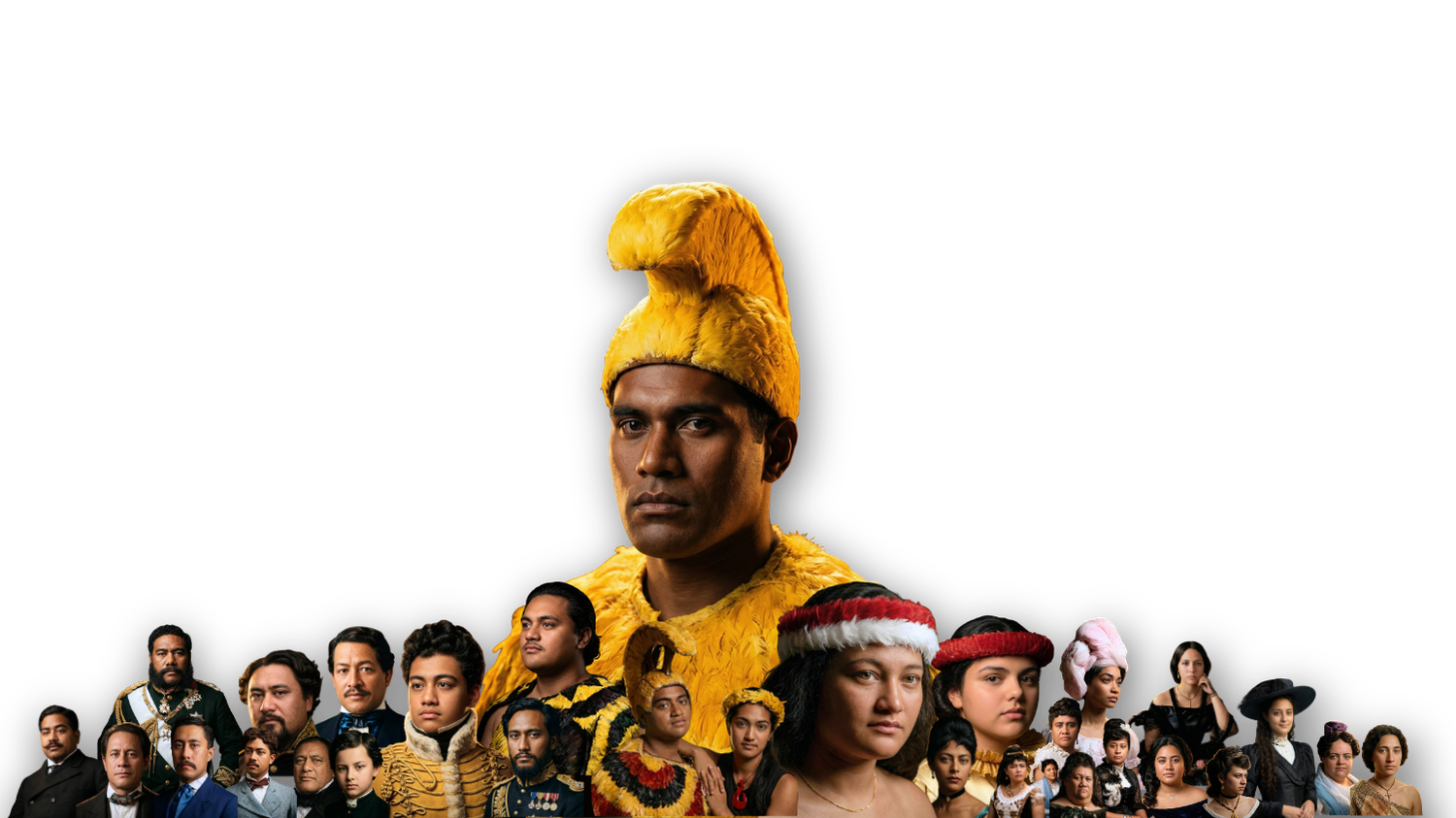
Hale Kapu Moʻolelo a Aliʻi Ana
Hawaiian Islands
The Complete Archipelago — 14 Islands · Main Chain + Papahānaumokuākea
The Hawaiian archipelago stretches 1,500 miles across the North Pacific — from the youngest, most volcanically active island in the southeast to ancient coral atolls in the northwest. These are not merely geographic features — they are the children of Wākea and Papa, the elder siblings of the Hawaiian people, the living body of the land that sustains all life.
MAIN ISLAND
4,028 sq mi
Hawaiʻi Island
The Big Island
The youngest and largest island in the Hawaiian chain, Hawaiʻi Island is still actively growing through volcanic eruptions at Kīlauea. It contains the world's most active volcano, the tallest mountain on Earth measured from its oceanic base (Mauna Kea), and some of the most diverse ecosystems on the planet — from tropical rainforest to alpine desert to active lava fields.
48 Ahupuaʻa
EXPLORE ISLAND →
MAIN ISLAND
727 sq mi
Maui
The Valley Isle
Named for the demigod Māui who lassoed the sun at Haleakalā, Maui is the second-largest Hawaiian island. Its dramatic landscape includes the massive dormant volcano Haleakalā (House of the Sun), the lush Hāna rainforest, the ancient royal capital of Lāhainā, and the fertile central valley between its two volcanic masses.
35 Ahupuaʻa
EXPLORE ISLAND →
MAIN ISLAND
597 sq mi
Oʻahu
The Gathering Place
The most populated island and the seat of the Hawaiian state government, Oʻahu is home to Honolulu, Waikīkī, Pearl Harbor, and the ʻIolani Palace — the only royal palace on American soil. Despite its modern development, Oʻahu retains deep cultural significance as the site of ancient heiau, royal birthing stones, and the seat of the Hawaiian Kingdom.
39 Ahupuaʻa
EXPLORE ISLAND →
MAIN ISLAND
562 sq mi
Kauaʻi
The Garden Isle
The oldest of the main Hawaiian Islands, Kauaʻi is known for its dramatic landscapes — the Nāpali Coast, Waimea Canyon (the Grand Canyon of the Pacific), and Waialeale, one of the wettest spots on Earth. It is the island where Pele first tried to establish her fire pit before being driven away by her sister Nāmaka.
32 Ahupuaʻa
EXPLORE ISLAND →
MAIN ISLAND
260 sq mi
Molokaʻi
The Friendly Isle
Molokaʻi is the most Hawaiian of the main islands — the island with the highest percentage of Native Hawaiian residents and the strongest preservation of traditional Hawaiian culture. Its north shore has the world's highest sea cliffs (up to 3,900 feet), and the Kalaupapa peninsula was the site of the infamous leprosy settlement where Father Damien served.
17 Ahupuaʻa
EXPLORE ISLAND →
MAIN ISLAND
141 sq mi
Lānaʻi
The Pineapple Isle
The smallest publicly accessible Hawaiian island, Lānaʻi was historically known as the island of evil spirits before being settled. It was the site of major pineapple cultivation in the 20th century and is now largely owned by tech billionaire Larry Ellison. Despite this, it retains significant archaeological sites.
11 Ahupuaʻa
EXPLORE ISLAND →
MAIN ISLAND
45 sq mi
Kahoʻolawe
The Target Isle
Kahoʻolawe is the smallest of the eight main Hawaiian Islands and the most sacred. Used as a bombing range by the U.S. military from 1941 to 1990, it was returned to the Hawaiian people in 1994 and is now a protected cultural reserve. The island is dedicated to Kanaloa, the god of the ocean, and is considered the piko (navel) of the Hawaiian world.
7 Ahupuaʻa
EXPLORE ISLAND →
MAIN ISLAND
70 sq mi
Niʻihau
The Forbidden Isle
Niʻihau is the most isolated of the main Hawaiian Islands — privately owned by the Robinson family since 1864, it is accessible only to its Native Hawaiian residents and invited guests. Hawaiian is the primary language spoken on the island, making it one of the last places where Hawaiian is spoken as a first language in daily life.
6 Ahupuaʻa
EXPLORE ISLAND →
NORTHWESTERN ISLAND
0.28 sq mi
Nihoa
Bird Island
Nihoa is the southernmost of the Northwestern Hawaiian Islands and the closest to the main chain. Despite its tiny size, it contains significant archaeological remains — terraces, house platforms, and agricultural sites — suggesting it was inhabited by Hawaiians for centuries before being abandoned. It is now a National Wildlife Refuge.
1 Ahupuaʻa
EXPLORE ISLAND →
NORTHWESTERN ISLAND
0.04 sq mi
Mokumanamana
Necker Island
Mokumanamana (Necker Island) is one of the most sacred places in the Hawaiian world. Despite being only 0.04 square miles, it contains the highest density of heiau (temples) per square foot of any place in Hawaii — over 50 religious structures on a tiny rocky island. It was clearly a place of pilgrimage and religious ceremony, not permanent habitation.
1 Ahupuaʻa
EXPLORE ISLAND →
NORTHWESTERN ISLAND
1.5 sq mi
Laysan Island
Laysan
Laysan is one of the largest Northwestern Hawaiian Islands and a critical seabird nesting ground. The island nearly lost all its native species when rabbits were introduced in the early 20th century, but conservation efforts have restored much of its ecosystem. It is home to the Laysan albatross, the Laysan duck (one of the rarest ducks in the world), and the Laysan finch.
1 Ahupuaʻa
EXPLORE ISLAND →
ATOLL
2.4 sq mi (land)
Midway Atoll
Midway
Midway Atoll sits at the far northwestern end of the Hawaiian chain, 1,300 miles from Honolulu. It is the site of the Battle of Midway (1942), one of the most decisive naval battles in history. Today it is a National Wildlife Refuge and home to the world's largest colony of Laysan albatrosses — over 1 million birds.
1 Ahupuaʻa
EXPLORE ISLAND →
ATOLL
0.35 sq mi (land)
Kure Atoll
Kure
Kure Atoll is the northernmost coral atoll in the world and the most remote point of the Hawaiian archipelago. It marks the northern boundary of the Hawaiian-Emperor Seamount Chain. The atoll is slowly sinking as the Pacific plate moves northwest, and in millions of years it will disappear beneath the ocean — the fate that awaits all the Hawaiian Islands.
1 Ahupuaʻa
EXPLORE ISLAND →
ATOLL
0.1 sq mi (land)
French Frigate Shoals
French Frigate Shoals
French Frigate Shoals is the largest atoll in the Northwestern Hawaiian Islands and a critical habitat for the endangered Hawaiian monk seal and the green sea turtle. The atoll's shallow lagoon and numerous islets provide nesting grounds for hundreds of thousands of seabirds.
1 Ahupuaʻa
EXPLORE ISLAND →
UNESCO World Heritage Site
Papahānaumokuākea
Papahānaumokuākea Marine National Monument encompasses the Northwestern Hawaiian Islands and the surrounding ocean — one of the largest marine protected areas on Earth. The name honors Papa (earth mother) and Wākea (sky father), the divine ancestors of the Hawaiian people. This vast, largely uninhabited chain of islands, atolls, and seamounts is the ancestral homeland of millions of seabirds, endangered Hawaiian monk seals, green sea turtles, and thousands of marine species found nowhere else on Earth. It is also a place of profound cultural significance — the realm of the ancestors, the place where the spirits of the dead travel on their journey to the afterlife.
Ohana System — The Hawaiian Social Network
Become a Member
The Ohana System is the private social network of Hale Kapu Moʻolelo a Aliʻi Ana — built exclusively for the 44,444 lineal descendants of the Hawaiian Kingdom. Membership unlocks the full Aliʻi System.
Exclusive Content
Unlock members-only courses, sacred archives, genealogy records, and cultural teachings not available to the public.
Build Your Own Store
Open your own vendor storefront in the Hawaiian Marketplace. Sell goods, art, clothing, and services directly to the community.
Unlock Your True Self
Discover your Hawaiian lineage, connect with your ancestral identity, and take your place among the 44,444 descendants of the Kingdom.